Create a Comfortable Party Setting
No amount of excellent music can rescue a room that feels physically uncomfortable. In this segment of the workshop, we examine how spatial arrangements, lighting, and environmental acoustics merge to build an ideal party setting.
Designing the Physical Flow
A party is a living organism; it moves, it shifts, and it requires pathways. When you plan your layout, consider the natural lines of movement. If the beverage station, the food spread, and the primary seating area are all crammed into one corner, you create a bottleneck. Bottlenecks breed frustration and raise the ambient noise level unnecessarily.
Spread the points of interest across the available space. Place the holiday punch bowl on a side table in the dining room, but arrange the savory snacks on the kitchen island. This encourages guests to circulate, keeping the energy dynamic and allowing different clusters of conversation to form naturally.
The Role of Practical Lighting
Overhead lighting is often the enemy of a festive atmosphere. It washes out features and makes spaces feel clinical. To create a setting that complements a warm musical palette, rely on layered, lower-level lighting. Utilize table lamps, floor lamps casting warm ambient light, and strategically placed candles (or high-quality flameless alternatives).
Lighting also acts as a visual cue. A brightly lit kitchen signals an area for activity and mingling, while a dimly lit living room with just tree lights and a fire suggests a place for settling down. Align your music with these zones if you have a multi-room setup: brighter, upbeat tunes near the well-lit activity hubs, and softer, instrumental pieces in the dimmer relaxation zones.
Acoustic Padding: The Secret Ingredient
Empty walls and hardwood floors bounce sound waves endlessly, creating a jarring echo chamber. To tame the acoustics of a party, introduce soft textiles. Thick rugs, heavy winter curtains, and throw pillows don't just look cozy; they actively absorb excess noise, ensuring that your carefully curated playlist doesn't become a headache-inducing racket.
Seating Strategies for Interaction
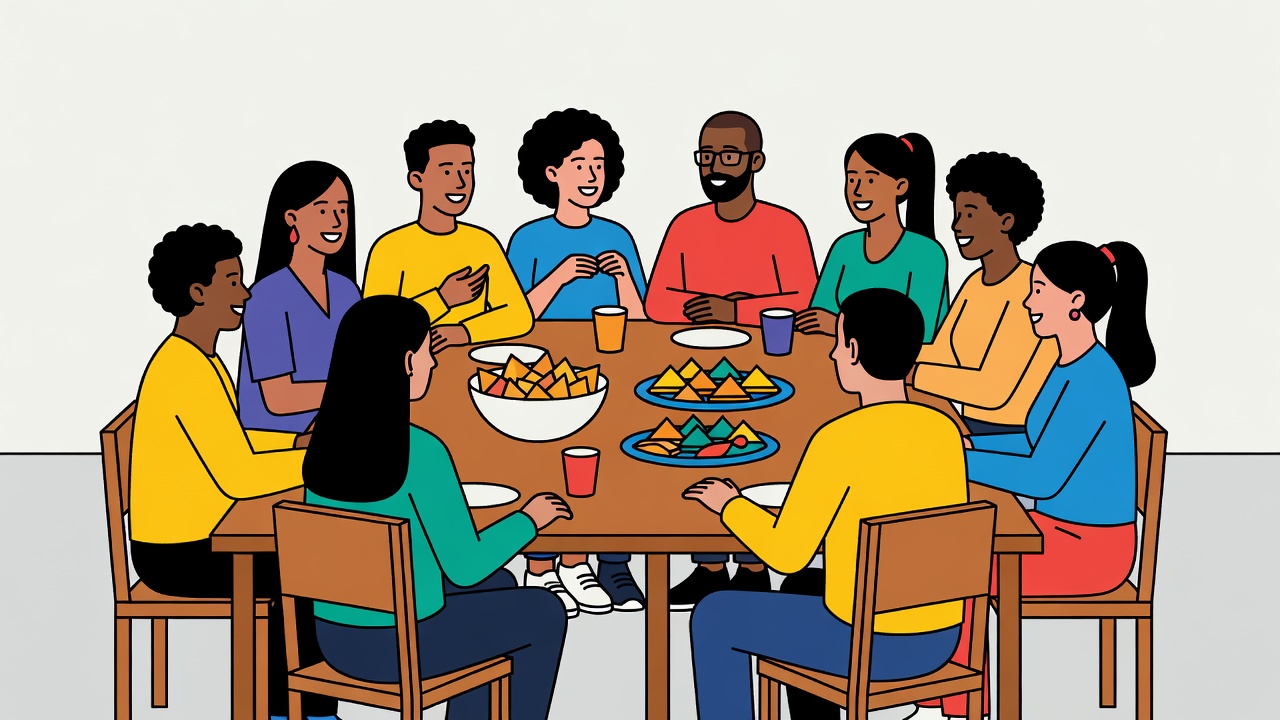
A common mistake hosts make is providing too much seating or arranging it in a rigid circle. A rigid circle forces a single, unified conversation, which is intimidating for larger groups. Instead, create conversational pods. Arrange two chairs and a small side table in a corner. Angle a sofa slightly to break up the room.
Leave plenty of standing room. Standing keeps the heart rate slightly elevated, which translates to a livelier party dynamic. If everyone sits down immediately, the party energy can drop prematurely.
Transition Spaces
Pay attention to the transition zones—the hallway, the entryway, the porch. These are the first spaces guests experience. Ensuring these areas are clear of clutter, adequately lit, and warmed by the faint sound of music from the main room sets a positive, welcoming tone before a coat is even taken. Setting the stage physically makes every other aspect of your party planning easier to execute.